Bridge Editing of DNA
A recent study published in Nature by a team from Berkeley explored a novel mechanism involving IS110 elements that could be used for DNA editing like CRISPR. Another article in the same issue, by a team from Japan, revealed the cryo-electron microscopy structures of the IS110 recombinase complexed with bRNA, target DNA, and donor DNA and Showed the IS110 synaptic complex comprises two recombinase dimers, one for the target-binding loop (TBL) and the other for the donor-binding loop (DBL).
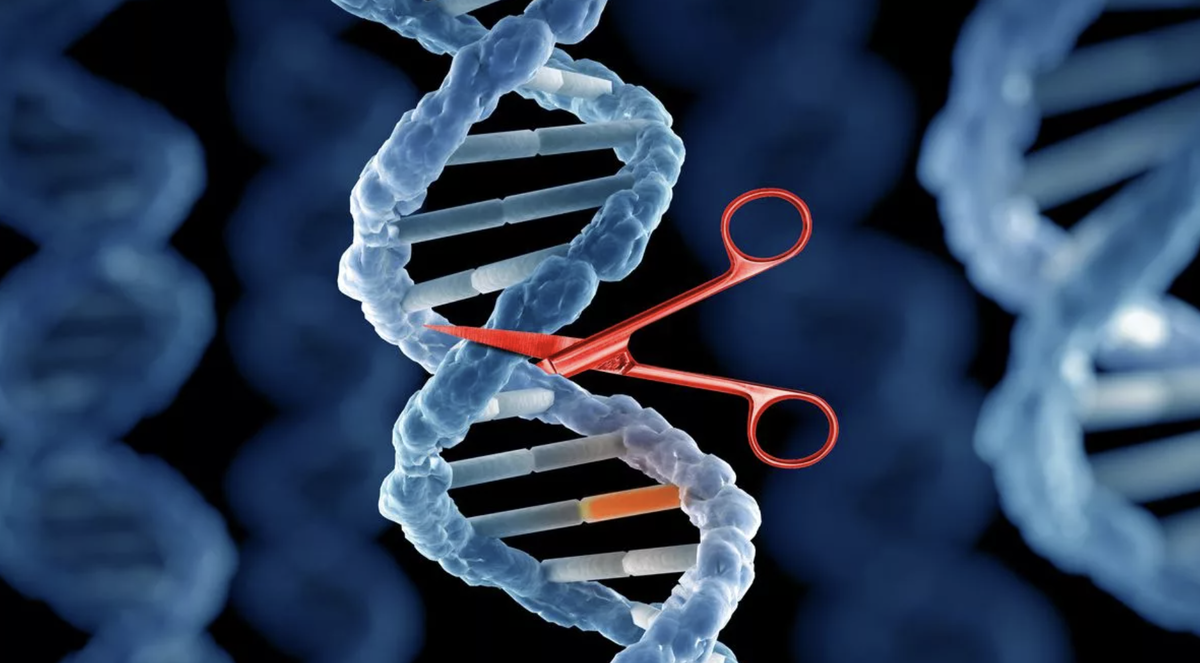
Evolution has equipped organisms with a plethora of enzymes dedicated to rearranging and diversifying the genome. These enzymes play crucial roles in the emergence and specialization of new genes, the development of immunity, and the spread of viruses and mobile genetic elements (MGEs). MGEs, which include transposons, integrases, homing endonucleases, and recombinases, are prevalent across all domains of life. They typically mobilize by recognizing specific DNA sequences, with target specificity ranging from highly site-specific to semi-random.
Insertion sequences (IS) are among the simplest autonomous MGEs, widely found in bacteria and archaea. These elements use self-encoded transposases that recognize terminal inverted repeats (TIRs) through protein-DNA interactions. IS elements are classified into approximately 28 families based on their homology, architecture, and transposition mechanisms. The transposases of these elements include DDE, DEDD, HUH transposases, and occasionally serine or tyrosine transposases.
The IS110 family represents a group of cut-and-paste MGEs that excise themselves from the genome and form circular DNA intermediates as part of their transposition mechanism. These elements lack TIRs and integrate into genomes in a sequence-specific manner, often targeting repetitive elements in microbial genomes. Unlike other IS families, IS110 transposases use a DEDD catalytic motif and share homology with RuvC Holliday junction resolvases, indicating a unique mechanism of action.
The recent study from Berkeley has uncovered that IS110 elements drive the expression of a structured non-coding RNA (ncRNA) during their circular form stage. This ncRNA contains two distinct binding loops that recognize both the IS110 DNA donor and its genomic insertion target site. The bispecific bridge RNA facilitates DNA recombination by the IS110 recombinase through direct base-pairing interactions.
One of the most exciting aspects of this discovery is the modularity of the bridge RNA. Each binding loop can be independently reprogrammed to bind and recombine diverse DNA sequences. This flexibility enables a generalizable mechanism for DNA rearrangement, allowing for sequence-specific insertion, inversion, and excision of DNA. This mechanism expands the diversity of nucleic-acid-guided systems beyond CRISPR and RNA interference.
Bridge RNA and IS110-mediated DNA recombination provides a versatile although not particularly precise tool for genomic rearrangement (but this could be eventually improved). While CRISPR technology has revolutionized genome editing with its simplicity and wide applicability, bridge editing offers a complementary approach with distinct advantages in versatility, and reduced dependence on host repair mechanisms. By leveraging the unique properties of ncRNA-mediated recombination, bridge editing could provide a powerful tool for genomic modifications, especially in contexts where traditional CRISPR systems face limitations. As research continues to advance, the integration of bridge editing into the genomic editing toolbox promises to enhance our ability to manipulate genetic material with unprecedented accuracy and specificity.
REFERENCES
Durrant, M.G., Perry, N.T., Pai, J.J. et al. Bridge RNAs direct programmable recombination of target and donor DNA. Nature 630, 984–993 (2024). https://doi.org/10.1038/s41586-024-07552-4
Hiraizumi, M., Perry, N.T., Durrant, M.G. et al. Structural mechanism of bridge RNA-guided recombination. Nature 630, 994–1002 (2024). https://doi.org/10.1038/s41586-024-07570-2
See also
DNA-based bacterial parasite uses completely new DNA-editing method | Ars Technica


Comments
Post a Comment